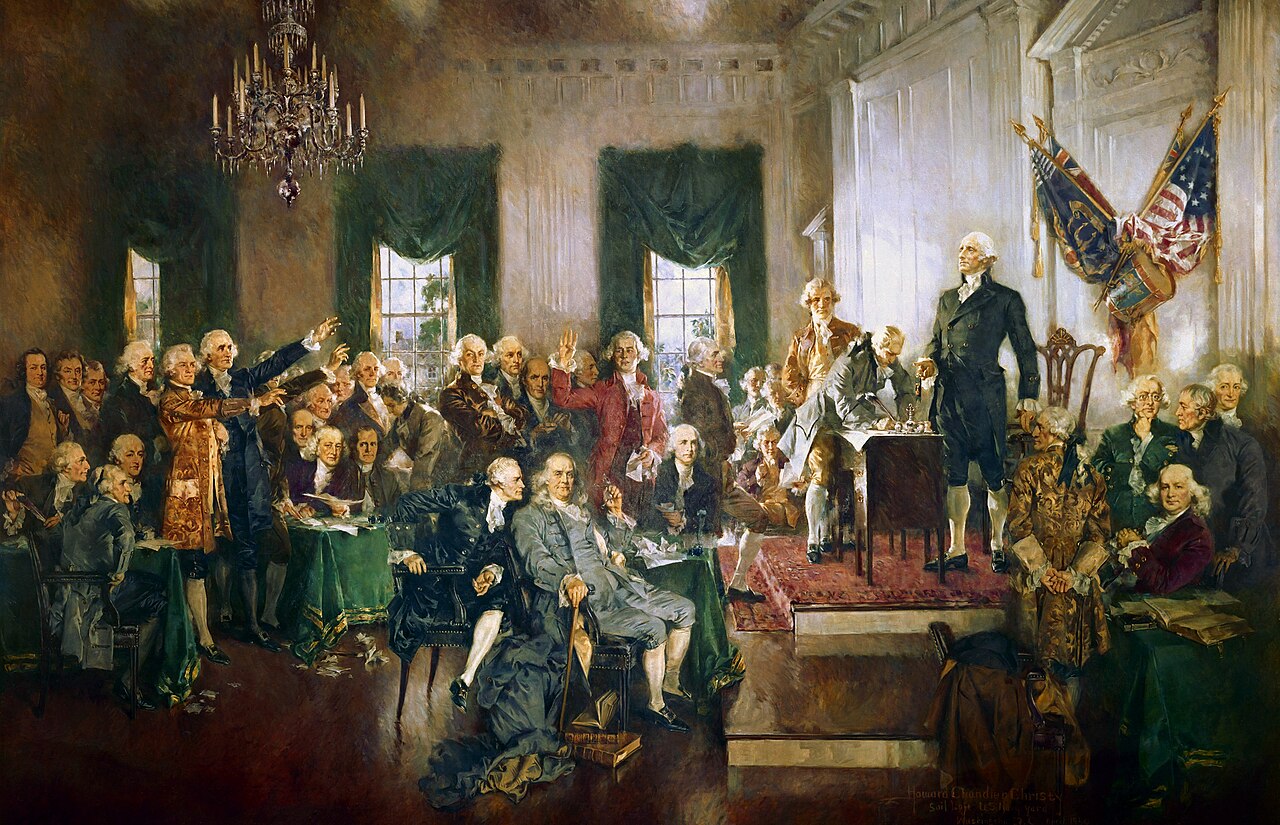
Howard Chandler Christy's painting of the signing of the U.S. Constitution

Why Our Government Works This Way: A Watch List on the American System

Last month I put together a watch list about why thirteen colonies decided to become a country. This is the sequel, and it asks the harder question. Once they had won independence, why did Americans build their government the way they did? Why three branches instead of one strong executive. Why a Senate and a House. Why so much power stays with the states rather than collecting in Washington. None of that was obvious in 1787, and the people in the room disagreed about all of it. ...
July 3, 2026 · 9 min · 1843 words · Jim Thario
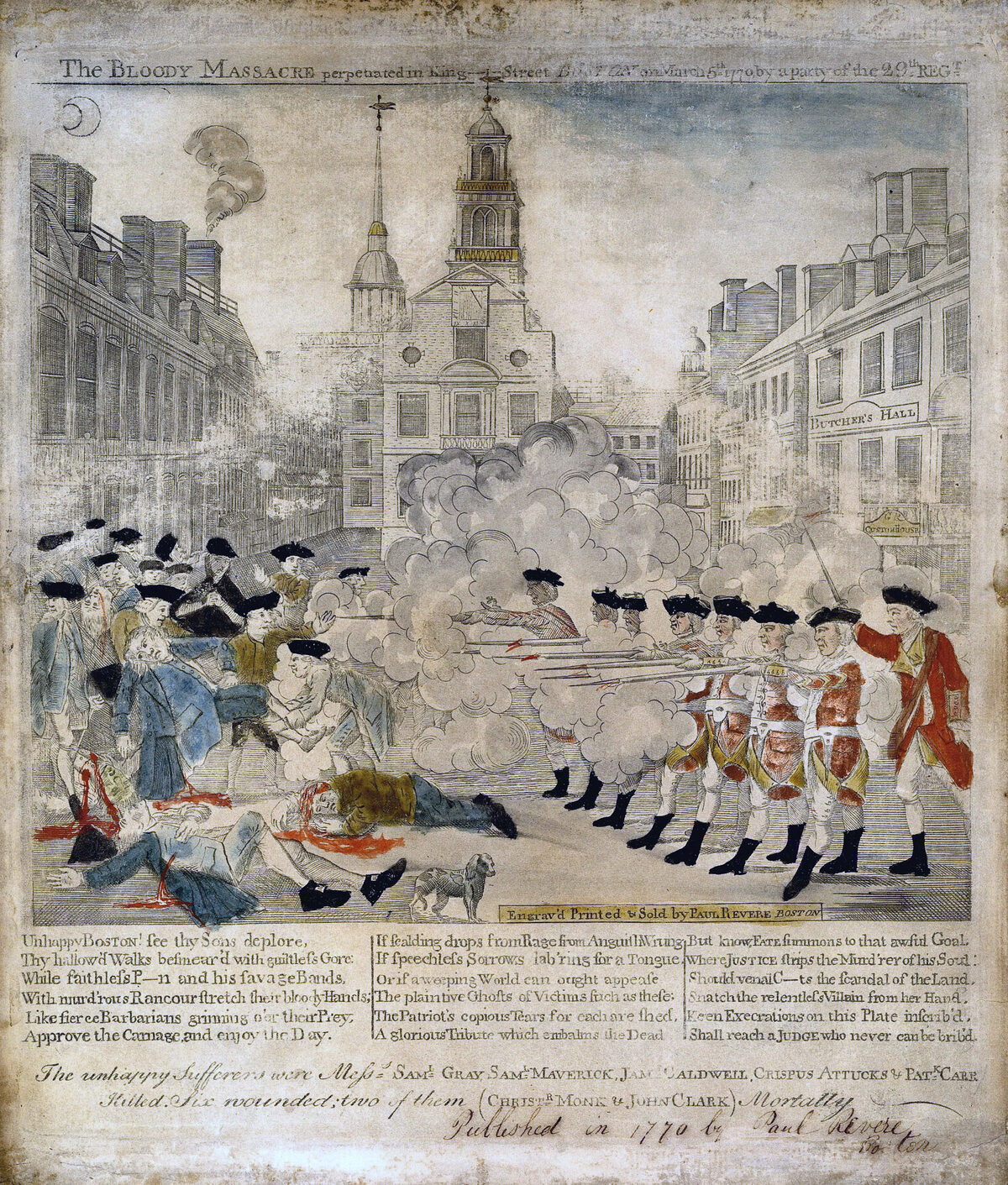
Paul Revere's 1770 engraving of the Boston Massacre

America at 250: A Watch List on Why a Nation Was Born

On July 4, 2026, the United States turns 250. The formal name for a 250th anniversary is the Semiquincentennial; the shorthand everyone is using is America250. Either way, it marks a quarter-millennium since the Continental Congress adopted the Declaration of Independence in Philadelphia. I wanted to mark the occasion with something more durable than fireworks. This is a watch list. It is not a “greatest hits of patriotism” reel. It is a guided tour through one specific question. Why did thirteen British colonies decide they needed to become their own country? It was not inevitable. For most of the 1760s and early 1770s, the colonists wanted their rights restored within the empire, not a new nation. Something changed. This list is about what. ...

June 27, 2026 · 8 min · 1695 words · Jim Thario