
Commodore Grace M. Hopper in her US Navy uniform, 1984

The Long Climb: Seventy Years of Raising the Level of Abstraction

Every era of programming has been an argument about the same thing. How much of the work should the human do, and how much should we hand to the machine? Each time we have answered “give more to the machine,” someone has objected that the machine cannot be trusted with it, that real programmers work closer to the metal, and that the new convenience is a toy. And each time, within a decade, the convenience has become the floor that the next generation of programmers stands on without a second thought. This is a story about that floor rising. It runs from a woman feeding subroutines to a UNIVAC on tape in 1952 to a teenager in 2026 building a working web application by describing it to a language model in English. The technologies could not look more different. The motive behind them is identical. ...
July 3, 2026 · 11 min · 2158 words · Jim Thario
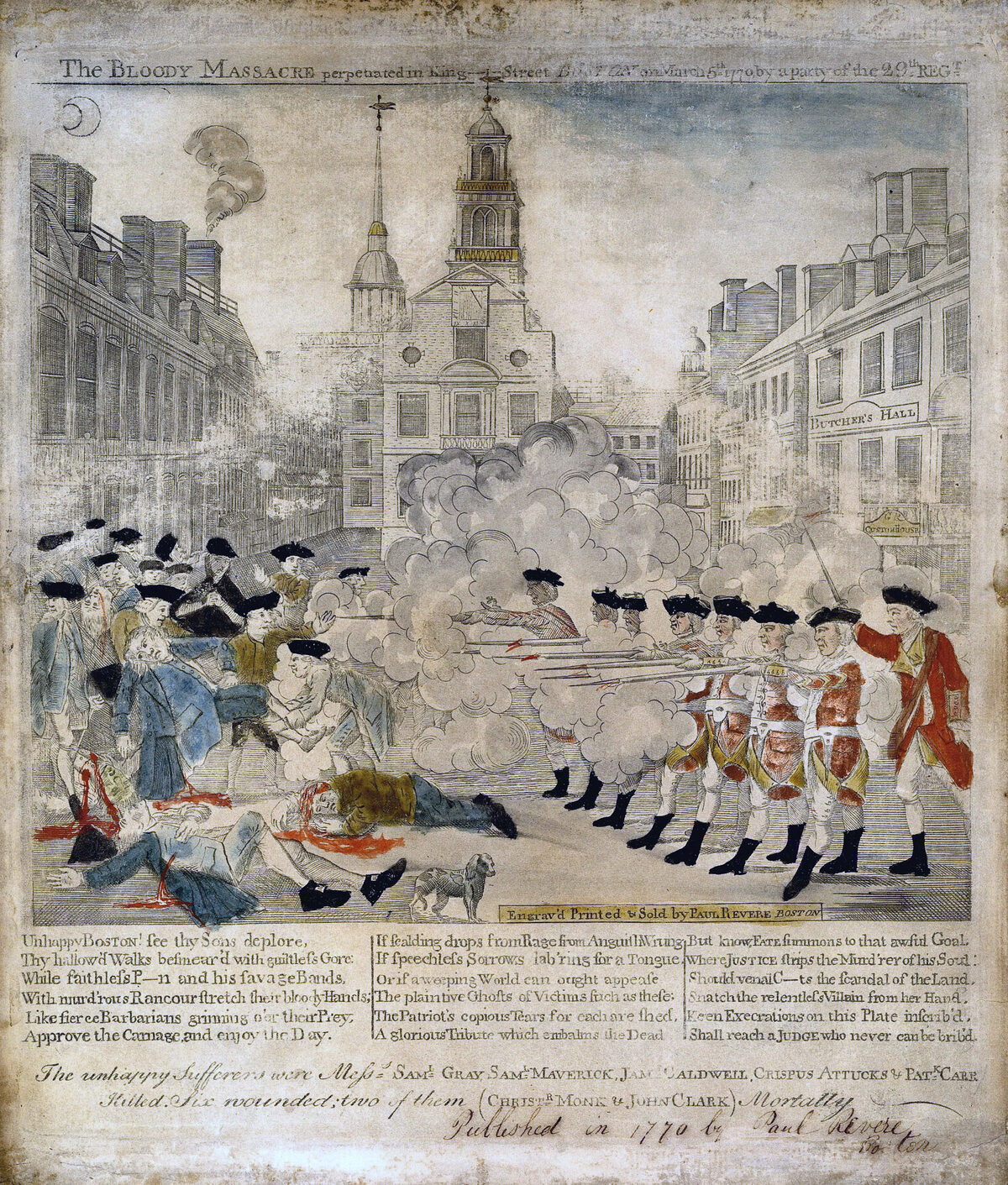
Paul Revere's 1770 engraving of the Boston Massacre

America at 250: A Watch List on Why a Nation Was Born

On July 4, 2026, the United States turns 250. The formal name for a 250th anniversary is the Semiquincentennial; the shorthand everyone is using is America250. Either way, it marks a quarter-millennium since the Continental Congress adopted the Declaration of Independence in Philadelphia. I wanted to mark the occasion with something more durable than fireworks. This is a watch list. It is not a “greatest hits of patriotism” reel. It is a guided tour through one specific question. Why did thirteen British colonies decide they needed to become their own country? It was not inevitable. For most of the 1760s and early 1770s, the colonists wanted their rights restored within the empire, not a new nation. Something changed. This list is about what. ...

June 27, 2026 · 8 min · 1695 words · Jim Thario